

Getting your mortgage approved can feel overwhelming, especially when it comes to gathering all the right paperwork. But what if you had a clear, simple checklist to guide you through the process?
Knowing exactly which documents you need can save you time, reduce stress, and speed up your approval. You’ll find a straightforward mortgage approval document checklist designed to help you organize your files and get ahead. Whether you’re buying your first home or refinancing, this guide will make sure you have everything ready when your lender asks.
Keep reading to discover how to prepare like a pro and move one step closer to owning your dream home.
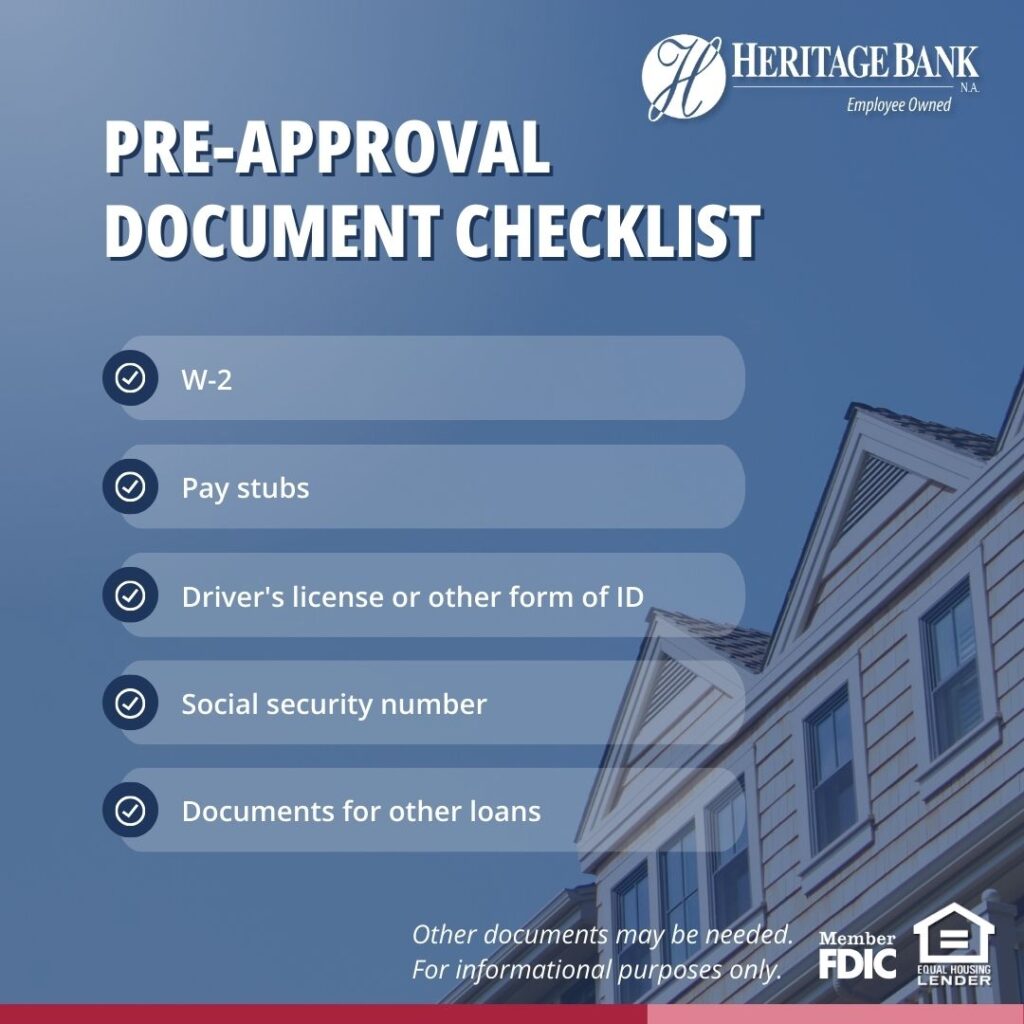
Documents For Income Verification
Pay stubs show your recent earnings. Lenders usually want the last two or three. Tax returns prove your income over time. Submit at least two years of these forms. They help verify steady income and job stability.
An employment verification letter confirms your job status. It includes your job title, salary, and how long you have worked there. Your employer usually provides this letter.
Additional income sources can include bonuses, rental income, or side jobs. Provide documents like bank statements or contracts to prove these earnings. This helps lenders see your full financial picture.
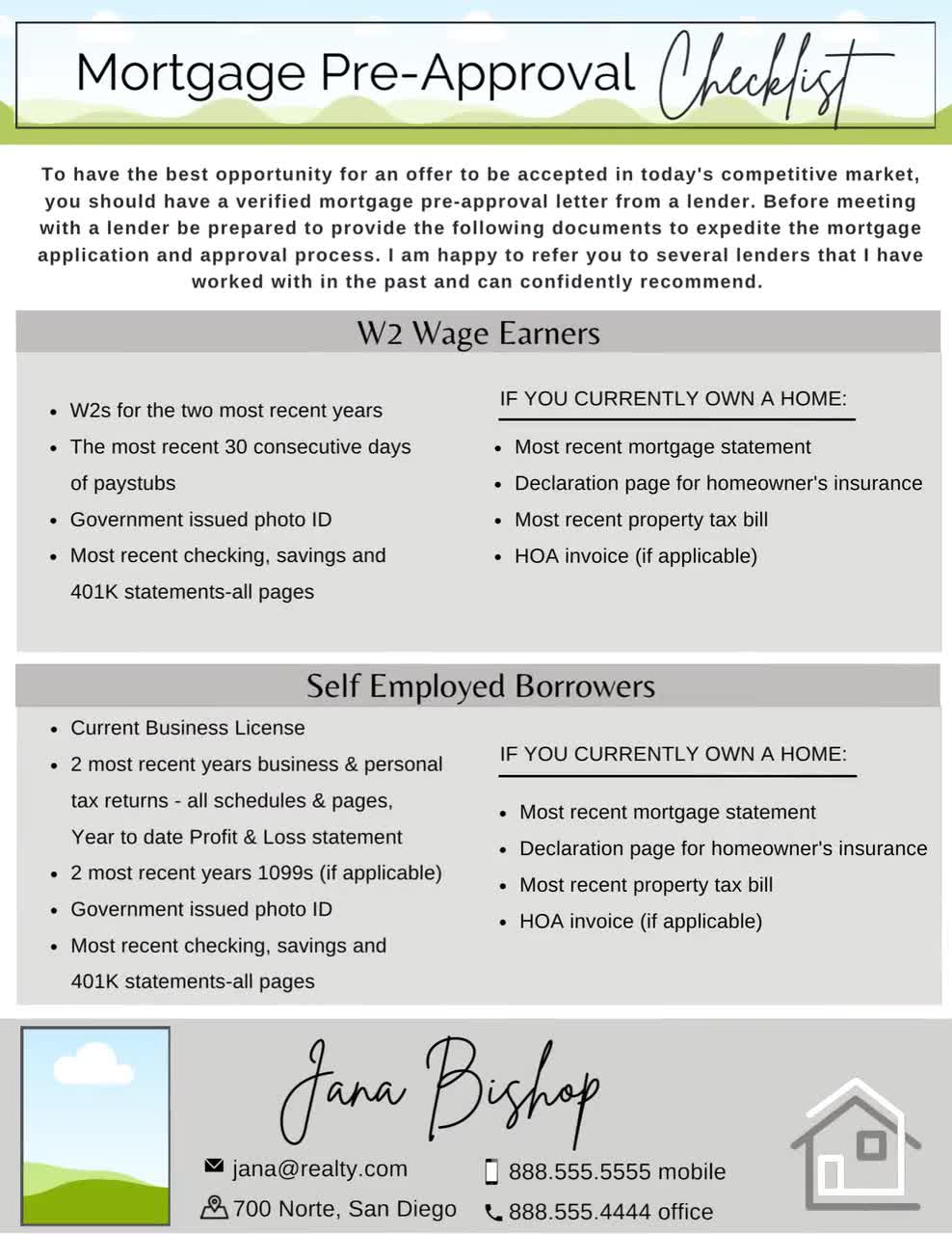
Proof Of Identity
Government-issued IDs are essential for mortgage approval. You must provide a valid driver’s license, passport, or state ID card. These documents confirm your identity.
Your Social Security Number (SSN) is also required. It helps lenders check your credit history and verify your income. Usually, a Social Security card or tax documents showing the SSN work well.
Residency documents prove your legal status in the country. Common papers include a green card, visa, or work permit. These must be current and valid.
Credit History Records
Credit reports show your borrowing and payment history. Lenders use these reports to decide if you can pay back a loan. A higher credit score means you are less risky to lenders. Scores usually range from 300 to 850. Scores above 700 are considered good. Scores below 600 may cause problems.
Credit issues include late payments, collections, or bankruptcy. These issues can lower your score and hurt your chances. Explaining any problems helps lenders understand your situation. You can add notes or letters about job loss or illness. Fixing errors on your report before applying is smart.
Assets And Financial Statements
Bank statements show your money flow over time. Lenders check these to see your spending and saving habits. Usually, they want the last two to three months of statements.
Investment accounts include stocks, bonds, and retirement funds. These prove your financial stability and help lenders assess your net worth. Provide recent statements for all accounts.
Gift funds documentation is needed if someone gives you money for your down payment. Lenders require a letter explaining the gift is not a loan. Also, include proof of the donor’s bank statements showing the transfer.
Debt And Liability Information
Current loan statements show your outstanding balances and payment history. Lenders use them to check your debt level. Keep statements from all loans like car, student, or personal loans.
Credit card balances reveal how much you owe on credit cards. High balances can lower your chances for approval. Collect recent statements for all credit cards.
Alimony or child support details must be shared if you pay or receive these regularly. Include court orders and payment proof. This helps lenders understand your monthly obligations.
Property-related Documents
Purchase Agreement shows the terms of the home sale. It must be signed by both buyer and seller. Lenders need this to confirm the property price and conditions.
Property Appraisal is a report from a licensed appraiser. It proves the home’s market value. This helps the lender decide the loan amount to offer.
Homeowners Insurance protects the property against damage. A policy must be active before closing the loan. Lenders require this to guard their investment.
Additional Supporting Papers
Divorce decrees show the legal end of a marriage. Lenders use them to understand financial obligations like alimony or child support. These papers prove how debts and assets were divided.
Bankruptcy records reveal past financial problems. They help lenders decide if the borrower can manage new debt. Providing these records shows honesty and helps speed up approval.
Rental history proves a track record of paying rent on time. Good rental history shows responsibility and lowers risk for lenders. Landlords’ contact info and payment receipts are helpful.

Preparing Documents For Submission
Start by gathering all required documents. This includes proof of income, such as pay stubs or tax returns, and valid photo ID. Bank statements and credit reports are also important. Organize these papers in a folder or digital file.
Check each document for accuracy. Make sure names, dates, and numbers are correct. Errors can cause delays or rejection. Keep copies of everything submitted for your records.
Decide between digital or physical copies. Digital files are easier to send and store, but some lenders still want paper documents. Confirm with your lender what format they prefer.
| Document Type | Examples | Format |
|---|---|---|
| Income Proof | Pay stubs, tax returns | Digital or physical |
| Identification | Driver’s license, passport | Physical preferred |
| Financial Statements | Bank statements, credit reports | Digital accepted |
Common Mistakes To Avoid
Missing documents can cause delays or even rejection. Always double-check your paperwork before submission. A common issue is forgetting pay stubs or bank statements. Keep all necessary files handy and organized.
Expired papers are another frequent problem. Lenders need current documents such as IDs and tax returns. Expired documents might make your application invalid. Always verify dates before sending.
Inconsistent information can confuse lenders. Make sure your names, addresses, and income details match across all forms. Any mismatch can raise doubts and delay approval. Consistency is key to a smooth process.
Frequently Asked Questions
What Paperwork Do You Need For Mortgage Approval?
You need proof of income, employment verification, credit history, proof of assets, photo ID, and debt information for mortgage approval.
What Is The 3 7 3 Rule For A Mortgage?
The 3-7-3 rule means lenders respond to mortgage applications in 3 days, approve or deny in 7 days, and close within 3 weeks.
What Salary Do You Need For A $400,000 Mortgage?
To afford a $400,000 mortgage, you typically need an annual salary around $100,000 to $120,000. Lenders consider credit score, debts, and down payment in approval.
What Are The 5 C’s Of Mortgage Underwriting?
The 5 C’s of mortgage underwriting are Character, Capacity, Capital, Collateral, and Credit. They assess borrower reliability and loan risk.
Conclusion
Gathering the right documents helps speed up mortgage approval. Keep your ID, income proof, and credit details ready. Organize your assets and debts clearly for easy review. Missing papers can delay your home buying process. Stay prepared and review your checklist before applying.
This simple step makes the mortgage journey smoother and less stressful.
Read More
- Property Finance Approval Guide: Expert Tips for Fast Approval
- Mortgage Eligibility Checker Online: Instantly Know Your Approval Chances
- Remortgage Savings Estimate: Maximize Your Mortgage Benefits Today
- Mortgage Unemployment Cover: Protect Your Home with Confidence
- Decreasing Term Mortgage Insurance: Save Big with Smart Coverage
- Home Loan Qualification Estimate: Unlock Your Dream Home Today
- Lower Mortgage Payment Refinance: Save Big with Smart Strategies
- Tracker Mortgage Rate Comparison: Unlock the Best Deals Today
- Mortgage Disability Insurance Quote: Secure Your Home Today
- Discount Mortgage Rate Offers: Unlock Huge Savings Today!