
Are you feeling stretched by your current mortgage payment? What if you could free up some extra cash each month without selling your home or cutting back on essentials?
Lowering your mortgage payment through refinancing might be the solution you’ve been searching for. By refinancing, you can reduce your interest rate or extend your loan term, making your monthly bills more manageable and easing your financial stress. You’ll discover how refinancing works, what benefits it can bring to your wallet, and key tips to help you decide if it’s the right move for you.
Keep reading to take control of your mortgage and boost your financial peace of mind.

Benefits Of Lower Mortgage Payments
Lower mortgage payments improve your monthly cash flow. Extra money each month can help pay bills or buy essentials. This reduces the chance of missing payments. It also lowers financial stress, making life less worrying. You feel more secure about your finances.
Refinancing can help you save more money. With lower payments, you can set aside extra cash for savings. This increases your savings potential and helps build a safety net. Saving regularly becomes easier and less stressful.
When To Consider Refinancing
Falling interest rates create a great chance to refinance. Lower rates mean smaller monthly payments. This saves money over time. Refinancing can help you get a better deal on your loan.
Improved credit score can also lower your mortgage payment. Lenders offer better rates to people with good credit. Check your credit score before refinancing. A higher score can mean big savings.
Changes in financial situation are another reason to consider refinancing. If your income drops, lowering your payments can help. Or if you want to free up cash for other expenses, refinancing might work. Keep your goals clear when you decide.
Refinancing Options To Lower Payments
Lower Interest Rate Loans reduce your monthly payments by cutting down the interest you pay. This means more money stays in your pocket every month. Extended Loan Terms spread your payments over a longer time. This lowers each payment but may increase total interest paid. Adjustable-Rate Mortgages start with lower rates that can change later. These can offer lower payments at first but may rise over time.
| Refinancing Option | Effect on Payment | Consideration |
|---|---|---|
| Lower Interest Rate Loans | Lower monthly payments | Requires good credit score |
| Extended Loan Terms | Smaller payments over longer time | More interest paid overall |
| Adjustable-Rate Mortgages | Initially low payments | Rates may increase later |
Using Refinance Calculators
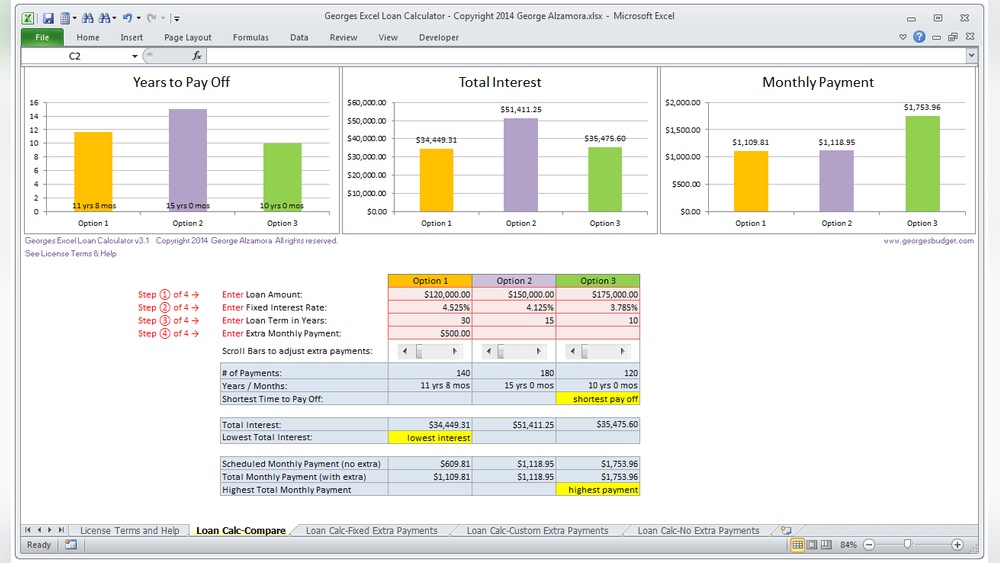
Refinance calculators help estimate monthly savings by comparing current and new loan payments. They show how much lower your payment could be with a new interest rate or loan term.
Comparing loan scenarios is easy with these tools. You can check different rates and terms side by side. This helps find the best option for your budget.
| Factor | What to Consider |
|---|---|
| Monthly Savings | How much less you pay each month after refinancing. |
| Loan Terms | Length of new loan affects monthly payment and total interest. |
| Closing Costs | Fees paid upfront that may reduce overall savings. |
Factoring in closing costs is important. These fees can reduce the benefits of refinancing if not considered. Calculate if savings outweigh these costs over time.
Costs And Considerations
Closing fees and charges are part of refinancing costs. These include appraisal fees, title insurance, and loan origination fees. They can add up to thousands of dollars. Consider if the monthly savings cover these upfront costs.
Impact on loan duration matters a lot. Extending your loan term lowers monthly payments but increases total interest paid. Shortening the loan term raises payments but saves interest in the long run.
Effect on total interest paid depends on the new loan terms. A lower interest rate reduces total interest, but a longer loan term may increase it. Carefully compare your current loan with the new offer.
Strategies To Maximize Savings
Improving your credit score can help you get a better refinance rate. Pay bills on time and reduce debt. Check your credit report for errors and fix them fast. A higher credit score often means lower interest rates, saving you money monthly.
Shopping for the best rates means comparing offers from different lenders. Look at interest rates, fees, and loan terms. Small differences in rates can save you hundreds each month. Use online tools or talk to lenders to find the best deal.
Timing your refinance right is important. Rates change often. Watch market trends and act when rates are low. Refinancing during stable or falling rates can cut your payments. Also, consider your loan payoff time to avoid extra costs.
Alternatives To Refinancing
Loan modification programs allow borrowers to change loan terms. This can lower monthly payments by reducing interest rates or extending loan length. These programs help homeowners avoid foreclosure and stay in their homes.
Biweekly payment plans split monthly mortgage payments in half and pay every two weeks. This leads to one extra payment per year, cutting down loan time and total interest. It helps reduce the mortgage balance faster without much effort.
Principal forbearance options let borrowers delay paying part of the loan principal temporarily. This reduces monthly payments for a set time, easing financial stress. The deferred amount is usually added to the loan balance later, so payments increase after the forbearance period ends.

Common Mistakes To Avoid
Ignoring long-term costs can lead to unexpected expenses. Refinancing might lower monthly payments but increase total interest paid over time. Extending loan terms reduces monthly bills but makes the loan last longer. This means paying more interest in the end.
Not comparing multiple offers wastes money and chances for better deals. Different lenders offer various rates and fees. Checking many offers helps find the best option that fits your budget and goals.
Overextending loan terms lowers monthly payments but can hurt your finances. A longer loan means paying interest for more years. This can cost thousands more than a shorter loan. Balance monthly savings with total cost to avoid problems.
Local Considerations In Austin, Texas
Mortgage rates in Austin have shifted recently due to local economic changes. Demand for homes is strong, which can push rates higher. Still, refinancing might offer lower payments if rates drop.
Texas offers special loan programs for homeowners. These programs can lower costs or provide better terms for refinancing. It helps to check if you qualify for any state aid.
Working with local lenders can be helpful. They understand Austin’s market well and may offer personalized advice. Local banks and credit unions often have competitive rates and fees.
Frequently Asked Questions
Can I Lower My Mortgage Payment By Refinancing?
Refinancing can lower your mortgage payment by securing a lower interest rate or extending the loan term. This reduces monthly costs but may increase total interest paid. Evaluate fees and savings carefully before proceeding.
What Is The 2% Rule For Refinancing?
The 2% rule for refinancing means your new mortgage rate should be at least 2% lower than your current rate. This helps ensure savings on monthly payments and overall interest costs.
What Is The 3 7 3 Rule In Mortgage?
The 3-7-3 rule means lenders decide mortgage approval within 3 days, offer a 7-year fixed rate, and finalize closing in 3 weeks.
Will We Ever See A 3% Mortgage Rate Again?
Mortgage rates around 3% may return, but it depends on economic factors and Federal Reserve policies. Rates fluctuate with inflation and market trends. Refinancing could help secure lower rates if they drop again. Stay informed and work with lenders to explore options when rates improve.
Conclusion
Lowering your mortgage payment through refinancing can ease monthly budgeting. Choosing the right loan term and interest rate matters most. Always compare offers from different lenders before deciding. Remember, refinancing may save money now but could cost more later. Take time to understand all the terms clearly.
This simple step can help you manage your finances better. Consider your long-term goals when making refinancing choices. A lower payment can bring peace of mind and financial relief.
Read More
- Property Finance Approval Guide: Expert Tips for Fast Approval
- Mortgage Eligibility Checker Online: Instantly Know Your Approval Chances
- Remortgage Savings Estimate: Maximize Your Mortgage Benefits Today
- Mortgage Unemployment Cover: Protect Your Home with Confidence
- Decreasing Term Mortgage Insurance: Save Big with Smart Coverage
- Home Loan Qualification Estimate: Unlock Your Dream Home Today
- Tracker Mortgage Rate Comparison: Unlock the Best Deals Today
- Mortgage Disability Insurance Quote: Secure Your Home Today
- Discount Mortgage Rate Offers: Unlock Huge Savings Today!
- Mortgage Rate Lock Extension: Maximize Savings and Secure Your Deal