
Taking out a home loan is a big step toward owning your dream home, but have you thought about what happens if life throws you an unexpected curveball? That’s where a Home Loan Protection Policy comes in.
This policy acts as a safety net, ensuring that your loan doesn’t become a burden on your loved ones if you face serious health issues, disability, or even death. Imagine the peace of mind you’ll have knowing your family won’t struggle to keep the house if something happens to you.
You’ll discover exactly how this protection works, why it might be essential for you, and how it differs from other types of mortgage insurance. Keep reading to make sure your biggest investment stays secure, no matter what life brings.
What Home Loan Protection Covers
Home loan protection helps cover your loan if something bad happens. It pays off the loan if you die or become disabled. This stops your family from having to pay the rest of the loan. The insurer pays the money directly to the bank or lender.
In case of death, the policy clears the remaining loan balance. For disability, it helps by paying monthly loan installments. This support lasts until you recover or the loan ends.
The loan repayment process is simple. When a claim is made, the insurer checks the policy and loan details. After approval, the payout goes straight to the lender. This keeps the home safe and the family secure.
How Home Loan Protection Works
A home loan protection policy pays your lender directly if you cannot pay your loan. This means the remaining loan balance is cleared without burdening your family. The payment goes straight to the lender, not to your heirs or family members.
The coverage decreases over time as you pay down your loan. This means the insurance amount gets smaller as your loan balance shrinks. Despite this, your premiums often stay the same throughout the policy.
Mortgage Protection Vs Private Mortgage Insurance
Mortgage Protection Insurance covers the borrower directly. It helps pay mortgage installments if the borrower dies or becomes disabled. This insurance pays the lender directly, clearing the loan balance. Coverage usually decreases as the loan balance drops, but premiums often stay the same.
Private Mortgage Insurance (PMI) protects the lender, not the borrower. It is required when the down payment is less than 20%. PMI helps the lender if the borrower stops paying the loan. The borrower pays the PMI premiums until enough equity is built in the home.
| Aspect | Mortgage Protection Insurance | Private Mortgage Insurance (PMI) |
|---|---|---|
| Coverage | Protects borrower and family by paying loan on death/disability | Protects lender against borrower default |
| Who Pays | Borrower pays premiums | Borrower pays premiums |
| Payment Goes To | Lender directly | Lender directly |
| Required? | Optional | Often required if down payment < 20% |
Borrowers wanting personal protection benefit from Mortgage Protection Insurance. PMI benefits lenders and protects them from losses. Both serve different purposes but protect the mortgage in different ways.
Pros And Cons Of Home Loan Protection
Advantages for Borrowers include protection against unexpected events. If the borrower dies or becomes disabled, the policy pays off the remaining loan. This helps prevent the family from losing their home. Monthly payments continue without worry. It provides peace of mind and financial security. Some policies cover job loss too. The process is usually simple and fast. Borrowers can focus on recovery, not debts.
Potential Drawbacks involve extra costs. The policy adds to monthly expenses. Some borrowers might find it expensive. Coverage may not include all situations. Claims can sometimes be denied if conditions are not met. Policies often decrease in value over time, but premiums stay the same. Not all lenders require this insurance. Some borrowers may prefer regular life insurance instead. Careful reading of terms is very important.
Is Home Loan Protection Right For You
Assessing your financial situation helps decide if home loan protection fits. Consider your monthly income and expenses. Do you have savings or other insurance to cover loan payments? Think about your job stability and health risks.
Alternative insurance options include term life insurance and disability insurance. Term life insurance often costs less and offers more flexibility. Disability insurance can cover income loss, helping with loan payments if you can’t work.
| Option | Coverage | Cost | Who It Helps |
|---|---|---|---|
| Home Loan Protection | Covers mortgage balance if you die or get disabled | Usually higher premiums | Those wanting direct loan coverage |
| Term Life Insurance | Pays a lump sum to family | Lower premiums | Families wanting flexible use of funds |
| Disability Insurance | Income replacement if unable to work | Varies by policy | Earners needing income protection |
How To Choose The Best Policy
Compare premiums carefully to find the best value policy. Lower premiums may mean less coverage. Some policies charge extra fees or have hidden costs. Look for a plan that fits your budget but offers strong protection.
Coverage details are very important. Check what events are covered, such as death, disability, or job loss. Make sure the policy covers the full loan amount or reduces as your loan balance drops.
Reading the fine print can save you trouble later. Look for exclusions, waiting periods, and claim limits. Understand the cancellation rules and if premiums change over time. Ask questions about anything unclear before signing.
Common Misconceptions
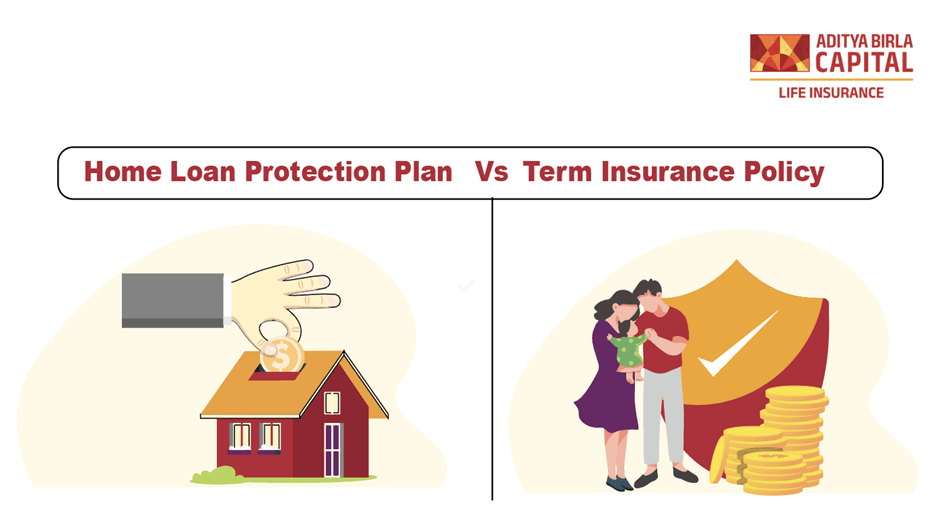
Mis-sold policies often promise full coverage but leave gaps. Many buyers confuse term life insurance with home loan protection. Term life pays a fixed sum to your family, not directly to the lender. Home loan protection pays off the loan balance, easing your family’s financial burden.
Term life insurance is usually cheaper but does not cover the loan specifically. Home loan protection reduces as your loan decreases, but premiums may not drop. Some policies have high costs and limited benefits. Always check if the policy covers death, disability, or job loss.
| Feature | Term Life Insurance | Home Loan Protection |
|---|---|---|
| Payment Recipient | Family or nominee | Lender directly |
| Coverage | Fixed amount | Loan balance decreases over time |
| Premiums | Usually lower | Can stay the same despite loan decrease |
| Protection Against | Death | Death, disability, sometimes job loss |
Where To Buy Home Loan Protection
Banks and lenders often offer home loan protection policies directly. These policies are convenient because they are linked with your loan account. Payment is usually automatic with your monthly loan installment. Terms and coverage can vary between banks, so comparing options is important. Some banks may require you to buy their policy as a loan condition.
Independent insurance providers sell home loan protection policies separately from your lender. They may offer more flexible plans and competitive rates. These providers allow you to choose coverage that fits your needs and budget. You can compare multiple quotes before buying. This option often gives more control over policy terms and benefits.
| Source | Pros | Cons |
|---|---|---|
| Banks and Lenders | Easy payment with loan, direct link to loan | Limited options, may be mandatory |
| Independent Insurance Providers | More plan choices, competitive pricing | Separate payment, need to shop around |
Frequently Asked Questions
What Is The Policy Of Home Loan Protection?
Home loan protection is an insurance policy that pays off your mortgage if you die or become disabled. It prevents your family from financial burden by covering remaining loan payments directly to the lender.
Is It Worth Getting A Mortgage Protection Plan?
A mortgage protection plan can safeguard your family by covering loan payments during death or disability. It offers peace of mind but may cost more than term life insurance. Evaluate your needs and compare policies before deciding.
How Much Is Pmi Insurance On A $300,000 Home?
PMI on a $300,000 home typically costs between 0. 5% and 1% annually. Expect $1,500 to $3,000 per year. Monthly payments range from $125 to $250, depending on the lender and loan terms.
How Does A Mortgage Protection Policy Work?
A mortgage protection policy pays off your mortgage if you die or become disabled. It sends funds directly to your lender, reducing your family’s financial burden. Coverage decreases as your loan balance shrinks, but premiums usually stay the same.
Conclusion
A home loan protection policy offers peace of mind for homeowners. It helps cover your mortgage if unexpected events occur. This support can prevent financial stress for your family. Choosing the right policy matters. Understand the terms and benefits before deciding.
Protect your home and loved ones wisely.
Read More
- Property Finance Approval Guide: Expert Tips for Fast Approval
- Mortgage Eligibility Checker Online: Instantly Know Your Approval Chances
- Remortgage Savings Estimate: Maximize Your Mortgage Benefits Today
- Mortgage Unemployment Cover: Protect Your Home with Confidence
- Decreasing Term Mortgage Insurance: Save Big with Smart Coverage
- Home Loan Qualification Estimate: Unlock Your Dream Home Today
- Lower Mortgage Payment Refinance: Save Big with Smart Strategies
- Tracker Mortgage Rate Comparison: Unlock the Best Deals Today
- Mortgage Disability Insurance Quote: Secure Your Home Today
- Discount Mortgage Rate Offers: Unlock Huge Savings Today!