
Buying a home is one of the biggest financial commitments you’ll make, and protecting that investment is crucial. That’s where Decreasing Term Mortgage Insurance comes in.
This type of insurance is designed to cover your mortgage balance as it shrinks over time, giving you peace of mind that your family won’t be burdened with your loan if something unexpected happens. But how exactly does it work?
Is it the right choice for you? Keep reading to discover how Decreasing Term Mortgage Insurance can safeguard your home and what key benefits and considerations you need to know before making a decision.

How Decreasing Term Mortgage Insurance Works
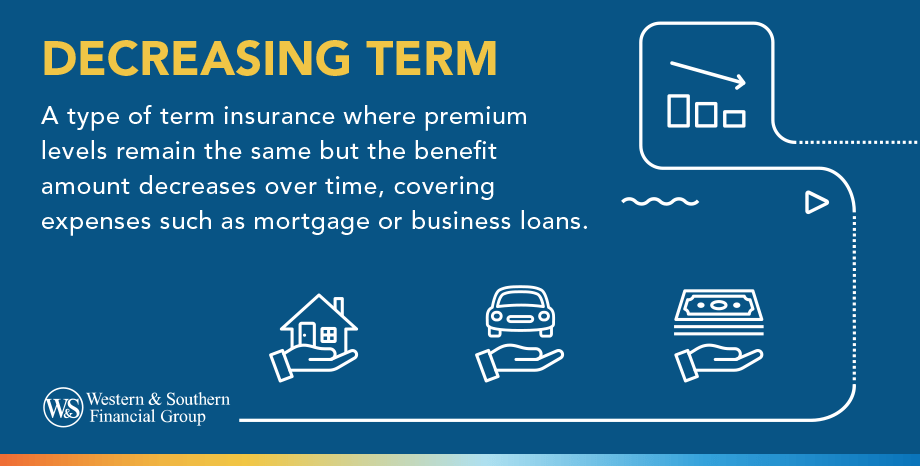
Decreasing Term Mortgage Insurance offers protection that reduces as your mortgage balance lowers. The insurance coverage matches the remaining mortgage debt each month. As you pay down your loan, the insurance amount shrinks accordingly.
In case of death or disability, this insurance pays out the amount needed to clear your mortgage. This ensures your family or you do not have to worry about paying the remaining loan. The payout helps cover the exact debt left, not more or less.
This type of insurance is often more affordable than full life insurance. It is designed specifically to protect your home loan and gives peace of mind during tough times.
Key Benefits Of Decreasing Term Mortgage Insurance
Affordable premiums make decreasing term mortgage insurance a smart choice. The cost goes down as your mortgage balance shrinks. This means you pay less over time while still being protected.
This insurance helps in protecting your family’s home if something unexpected happens. It pays off the mortgage, so your family can keep the house without financial stress. It is a safety net during tough times.
The coverage is simple and targeted. It focuses only on the mortgage amount and decreases as you pay off your loan. This makes it easy to understand and fits well with your mortgage plan.
Important Considerations Before Buying
Decreasing term mortgage insurance does not build any cash value. This means you do not get any money back if you pay off your mortgage early or sell your home. The policy simply ends when your mortgage is paid off.
The insurance only pays the lender if something happens to you. Your family cannot use this money for other needs. This limits flexibility for your beneficiaries.
The policy expires once the mortgage is fully paid. If your mortgage term is 30 years, your coverage will reduce and end by then. There is no coverage after your mortgage is done.
Comparing With Other Life Insurance Options
Whole life insurance offers coverage for your entire life and builds cash value. It is usually more expensive than decreasing term insurance. Decreasing term insurance lowers its coverage over time, matching the drop in mortgage debt. This makes it more affordable but without cash value.
Level term insurance keeps the same coverage amount for a set period. It usually costs more than decreasing term but provides stable protection. It can cover debts or financial needs that stay the same over time.
Choosing the right insurance depends on your financial goals. If you want lower costs and coverage that matches your mortgage, decreasing term is good. For lifelong protection or building savings, whole life may work better. Level term fits those who want fixed coverage for a few years.
Tips For Choosing The Right Coverage
Check your mortgage length before choosing coverage. The insurance should match your mortgage term. This helps cover the loan fully if anything happens. Understand if your mortgage balance decreases over time, which is common. Decreasing term insurance fits this well.
Think about your family’s needs. Coverage must protect your loved ones. Consider your family’s income, debts, and future costs. Make sure the insurance amount is enough to handle these expenses.
Pick reliable insurance providers. Look for companies with good reputations and clear policies. Read reviews and ask for advice from trusted sources. Choose providers who explain terms simply and answer all your questions clearly.
Common Misconceptions About Decreasing Term Insurance
Decreasing term insurance coverage shrinks over time. It matches the reducing balance of a mortgage or loan. It does not increase as years pass.
This insurance is not made for investment growth. It only protects the loan amount. No cash value or savings build up inside the policy. It is a pure protection plan.
Policies have clear limits. The payout is only enough to cover the remaining debt. Survivors cannot get extra money from this insurance. It is tied strictly to the mortgage balance.
Saving Money With Smart Coverage Choices
Choosing the right coverage amount is key to saving money. Coverage should match the remaining mortgage balance. Avoid paying for more insurance than needed. Overinsurance means extra costs without extra benefits.
Reviewing your policy often helps keep it suitable. Mortgage balances change as you pay down the loan. Regular checks ensure coverage stays aligned with your needs. Adjusting coverage can lower your premiums over time.
| Smart Coverage Tips | Why It Matters |
|---|---|
| Select coverage equal to mortgage balance | Prevents paying for unnecessary protection |
| Avoid overinsurance | Saves money by not overpaying premiums |
| Review policy yearly | Adjusts coverage to current mortgage amount |
Who Should Consider Decreasing Term Mortgage Insurance
Homebuyers with long-term loans benefit from decreasing term mortgage insurance. This insurance matches the loan balance as it goes down over time. Payments start higher and reduce as the mortgage lowers. It helps keep insurance affordable for those with many years to pay.
Families seeking mortgage protection find this insurance useful. It ensures the mortgage is paid off if the borrower dies. This protects the family from losing their home. It offers peace of mind without paying for coverage that stays the same.
Borrowers on a budget appreciate the lower premiums. Since coverage decreases, monthly costs are less than other insurances. It fits well with tight budgets and long loan terms. This option balances protection and cost effectively.

Frequently Asked Questions
Is Decreasing Term Insurance Worth It?
Decreasing term insurance suits mortgage protection by matching coverage to your declining debt. It’s affordable but offers no cash value or flexible payouts. Consider it if you want cost-effective, time-limited coverage tied to loan repayment.
What Is Mortgage Decreasing Term Insurance?
Mortgage decreasing term insurance covers a mortgage debt that reduces over time as you repay your loan. It pays off the remaining balance if you die before the mortgage ends. This insurance protects your family from losing the home by matching coverage to the declining loan amount.
Can I Get Life Insurance If I Have Cirrhosis?
Life insurance is possible with cirrhosis, but coverage options may be limited and premiums higher. Medical underwriting applies.
What Is The Main Disadvantage Of Using Decreasing Term Insurance For A Mortgage?
The main disadvantage of decreasing term insurance for a mortgage is its coverage decreases over time, limiting payout if needs change. It also offers no cash value or refund if the mortgage is paid off early.
Conclusion
Decreasing term mortgage insurance lowers coverage as your loan balance drops. This makes premiums more affordable over time. It protects your family by covering the remaining mortgage if something happens to you. Keep in mind, this insurance has no cash value or refund.
It strictly pays off the mortgage lender, not your beneficiaries. Choosing the right insurance helps secure your home and peace of mind. Consider your needs carefully before deciding on this type of policy.
Read More
- Property Finance Approval Guide: Expert Tips for Fast Approval
- Mortgage Eligibility Checker Online: Instantly Know Your Approval Chances
- Remortgage Savings Estimate: Maximize Your Mortgage Benefits Today
- Mortgage Unemployment Cover: Protect Your Home with Confidence
- Home Loan Qualification Estimate: Unlock Your Dream Home Today
- Lower Mortgage Payment Refinance: Save Big with Smart Strategies
- Tracker Mortgage Rate Comparison: Unlock the Best Deals Today
- Mortgage Disability Insurance Quote: Secure Your Home Today
- Discount Mortgage Rate Offers: Unlock Huge Savings Today!
- Mortgage Rate Lock Extension: Maximize Savings and Secure Your Deal