
Are you wondering if remortgaging could actually save you money? Knowing your Remortgage Savings Estimate is the key to making a smart financial decision.
By understanding how much you could potentially reduce your monthly payments or shorten your loan term, you gain control over your finances and peace of mind. This article will guide you through the simple steps to estimate your savings, helping you see clearly whether refinancing your mortgage is the right move for you.
Keep reading to discover how a few numbers today could mean big savings tomorrow.

Benefits Of Remortgaging
Lower interest rates can reduce the total amount paid on a mortgage. This means more money stays in your pocket each month. Reduced monthly payments help manage your budget better and lower financial stress.
Accessing home equity allows you to use your home’s value for other needs like renovations or debt payments. It provides financial flexibility without taking a new loan.
Switching mortgage types can offer better terms. For example, changing from a variable to a fixed rate gives payment stability. Or switching the other way could save money if rates drop.
Factors Influencing Savings
Interest rates play a big role in remortgage savings. Lower rates mean lower monthly payments and more savings. Fixed-rate mortgages offer stable payments, while variable rates can change with the market.
Adjusting the loan term can affect your savings too. Shorter terms usually have higher payments but less interest paid overall. Longer terms lower monthly payments but may increase total interest.
| Cost Type | Impact on Savings |
|---|---|
| Closing Costs | Fees to finalize remortgage can reduce upfront savings. |
| Other Fees | Appraisal or legal fees add to total costs. |
Credit score affects the interest rate offered. Higher scores get better rates, increasing potential savings. Lower scores might mean higher rates, reducing benefits.
Estimating Savings
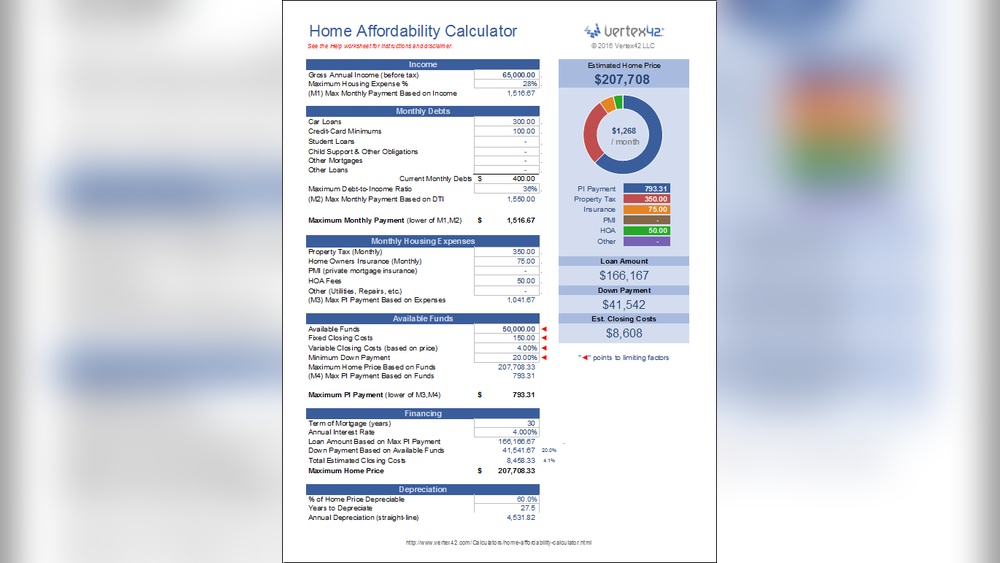
Online calculators make estimating remortgage savings easy. Enter your current loan details and new rate. The tool shows potential monthly savings and total interest saved over time. It helps you compare offers quickly without complex math.
Calculating the break-even point is key. This is when savings cover remortgage costs. Costs include fees and legal charges. Knowing this helps decide if remortgaging is worth it.
| Rate Type | Pros | Cons |
|---|---|---|
| Fixed Rate | Stable payments, easier budgeting | May be higher than variable rates |
| Variable Rate | Lower initial rates, potential savings | Payments can increase unexpectedly |
Long-term benefits include lower total interest and shorter loan term. Careful evaluation helps choose the best option for your situation.
Common Remortgage Scenarios
Switching from Variable to Fixed Rate gives you steady payments every month. This helps you plan your budget better and avoid surprises from rising interest rates.
Reducing Loan Term means paying off your mortgage faster. It saves a lot on interest but monthly payments will be higher. Good for those who want to own their home sooner.
Consolidating Debts combines multiple debts into one loan. This often lowers your total interest and monthly payments. Easier to manage and reduces stress.
Cash-Out Remortgage lets you borrow extra money using your home’s value. You can use this cash for home improvements, education, or other needs. Just be careful not to borrow too much.
Steps To Maximize Savings
Start by comparing mortgage rates from different lenders. This helps find the best deal. Look beyond the interest rate; check the overall cost including fees.
Ask lenders to lower fees or adjust terms. Even small changes can save money. Do not hesitate to negotiate for better conditions.
A higher credit score can get better rates. Pay bills on time and reduce debts. Check your credit report for errors and fix them quickly.
Choose the right time to remortgage. Interest rates and market conditions matter. Avoid remortgaging when rates are high.

Risks And Considerations
Potential penalties may apply if you end your current mortgage early. These fees can reduce any savings gained from remortgaging. Always check the terms for early repayment charges.
Impact on credit is important. Applying for a new mortgage involves credit checks, which can lower your credit score temporarily. Multiple applications in a short time can have a bigger effect.
Market fluctuations affect interest rates and property values. Rates may rise after you lock in your mortgage, increasing costs. Property values can also change, impacting your loan-to-value ratio.
Consider your long-term financial goals. Remortgaging may help save money now but could extend your mortgage term. Think about how it fits with plans like retirement or paying off your home early.
Tools And Resources
Top refinance calculators help estimate potential savings quickly. Tools like Zillow, Ameriprise, Bankrate, and Bank of America offer free calculators. These tools show monthly payments, interest savings, and breakeven points.
Consulting mortgage advisors provides personalized advice. They explain refinancing benefits and risks. Advisors help choose the best mortgage for your situation.
Tracking interest rate changes is key to timing your refinance. Watch for rate drops to save more money. Many websites and apps provide daily updates on rates.
Accessing financial planning tools helps manage your budget and goals. Budget planners, debt calculators, and savings trackers keep your finances on track.

Frequently Asked Questions
What Is The 2% Rule For Refinancing?
The 2% rule for refinancing means your new loan’s interest rate should be at least 2% lower than your current rate. This helps ensure refinancing saves money after closing costs.
What Is The 3 7 3 Rule In Mortgage?
The 3-7-3 rule in mortgages means lenders must respond to your loan application in 3 days, process it within 7 days, and close the loan in 3 weeks.
Will Remortgaging Save Me Money?
Remortgaging can save money by lowering your interest rate or monthly payments. Use calculators to estimate your savings accurately.
How Do You Calculate Savings On A Refinance?
Calculate refinance savings by subtracting new loan costs and payments from your current mortgage expenses. Use online refinance calculators for accuracy.
Conclusion
Estimating your remortgage savings helps you make smart financial choices. Use simple calculators to compare rates and payments. Even small savings add up over time. Keep track of fees and terms before deciding. A clear estimate shows if remortgaging is right for you.
Taking a moment to review can save money later. Remember, knowledge is key to managing your mortgage well.
Read More
- Property Finance Approval Guide: Expert Tips for Fast Approval
- Mortgage Eligibility Checker Online: Instantly Know Your Approval Chances
- Mortgage Unemployment Cover: Protect Your Home with Confidence
- Decreasing Term Mortgage Insurance: Save Big with Smart Coverage
- Home Loan Qualification Estimate: Unlock Your Dream Home Today
- Lower Mortgage Payment Refinance: Save Big with Smart Strategies
- Tracker Mortgage Rate Comparison: Unlock the Best Deals Today
- Mortgage Disability Insurance Quote: Secure Your Home Today
- Discount Mortgage Rate Offers: Unlock Huge Savings Today!
- Mortgage Rate Lock Extension: Maximize Savings and Secure Your Deal